

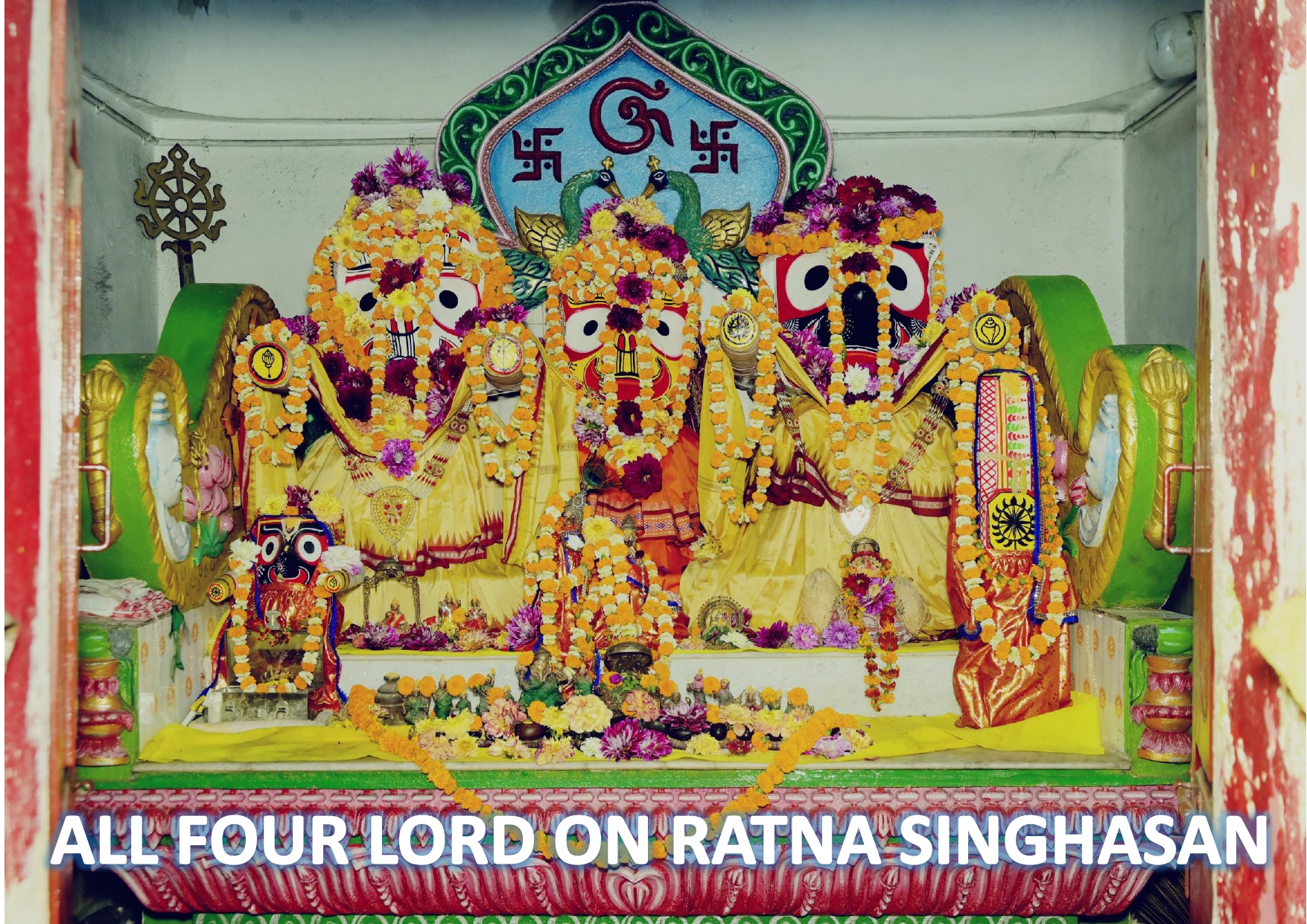
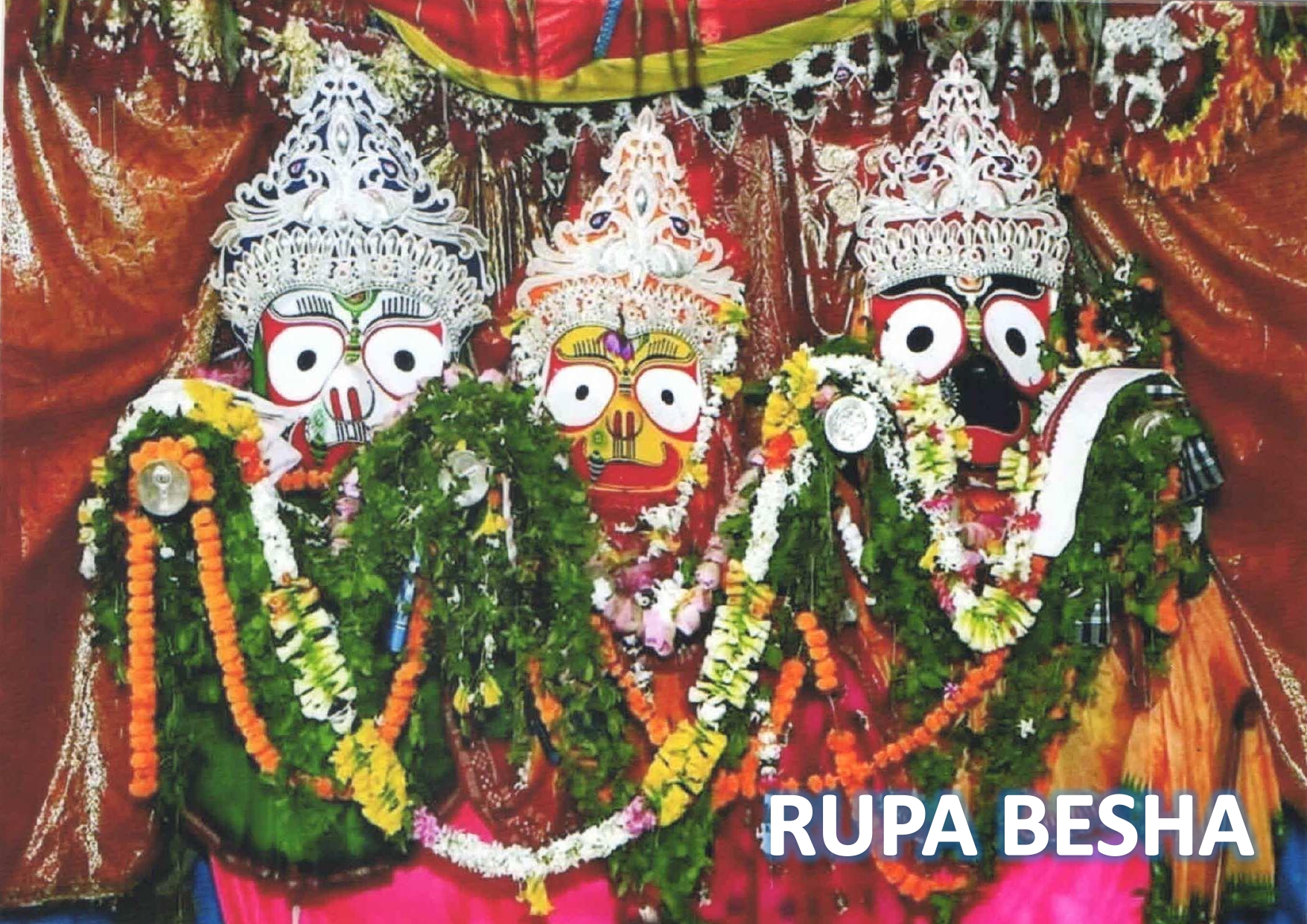
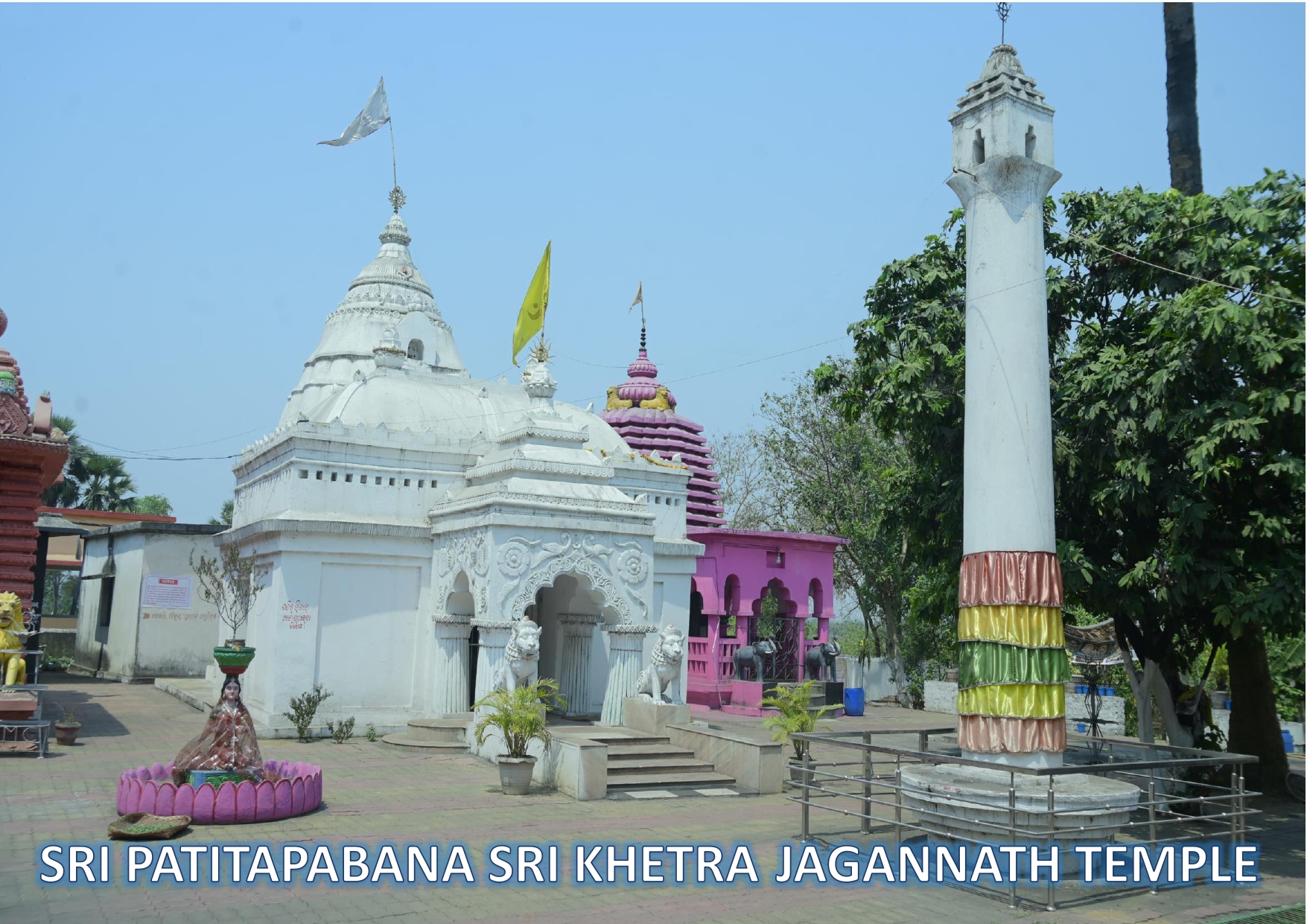
The Jagannath Temple in Kukurjanga, located in Jharsuguda district, was built in 1215 AD, making it over 800 years old. According to legend, Madhusudan Singh, the king of the region and a patron of Vaishnavism, had a divine dream about Lord Jagannath, instructing him to build a temple at Kukurjangha , just 5km from Jharsuguda. The king, deeply devoted to Lord Jagannath, decided to fulfill this divine command and built the temple under his direct supervision. The construction was completed within the prescribed time, and the Chaturdhamurthi idols were enshrined on the Ratna Singhasan.
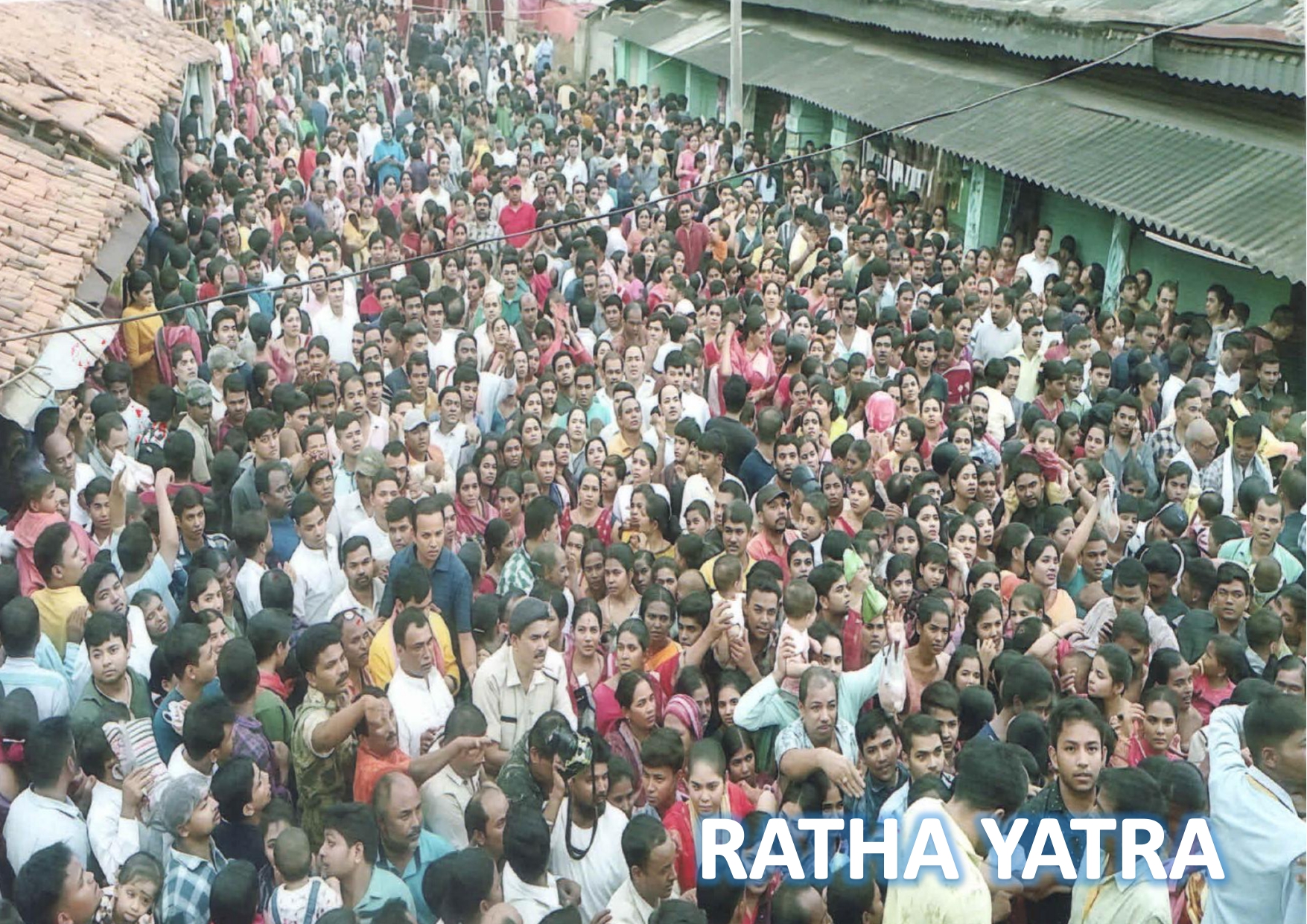
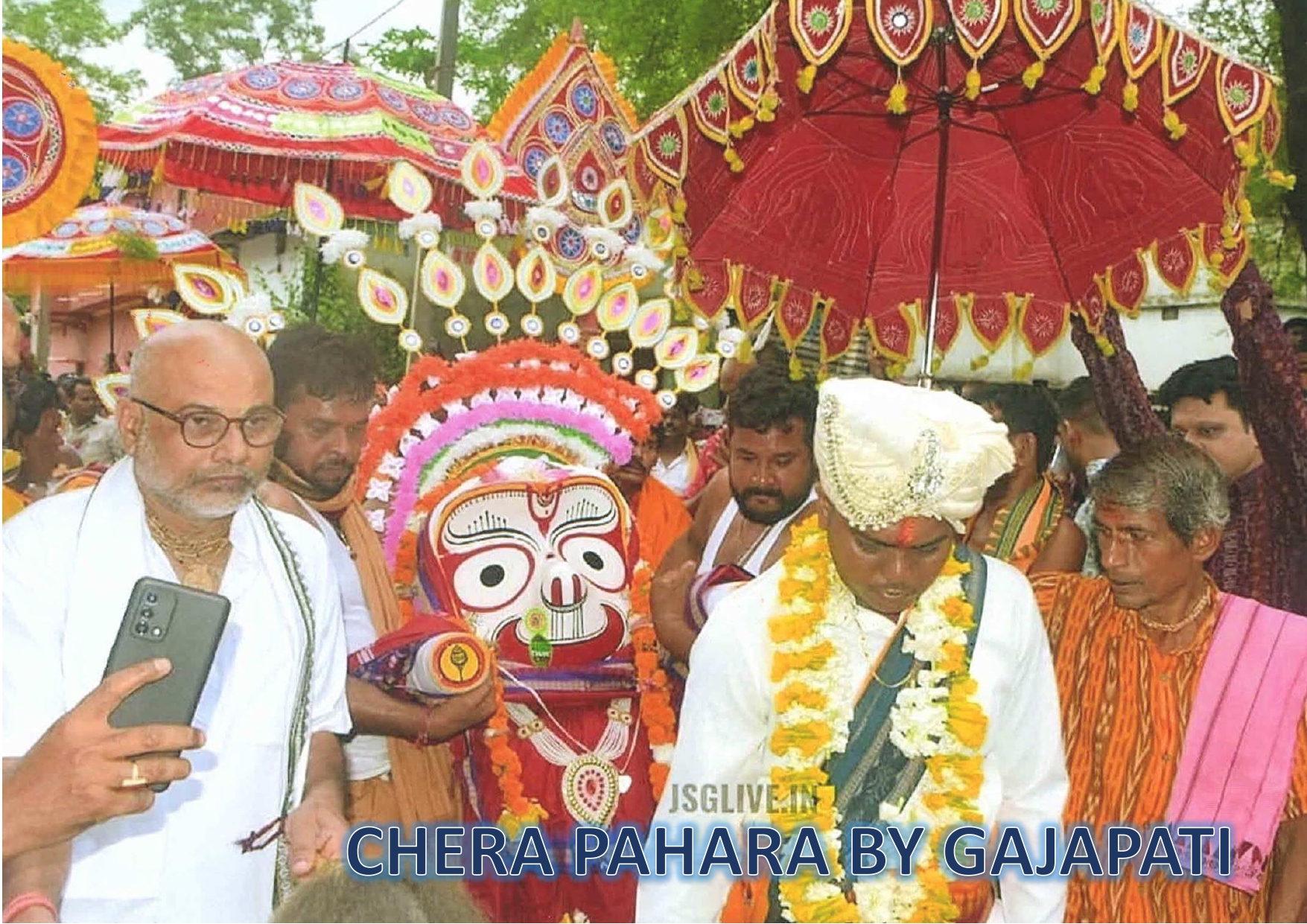
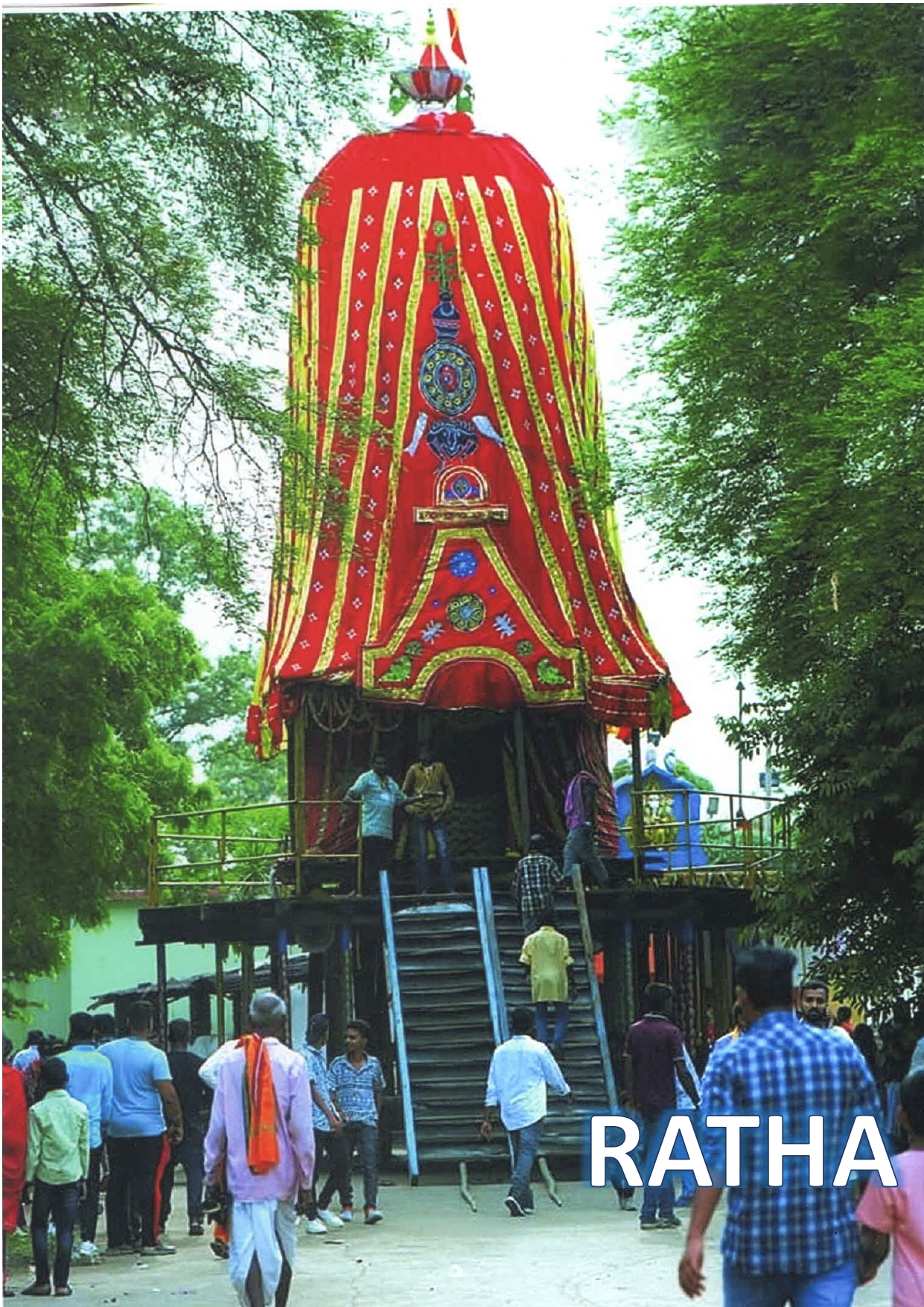
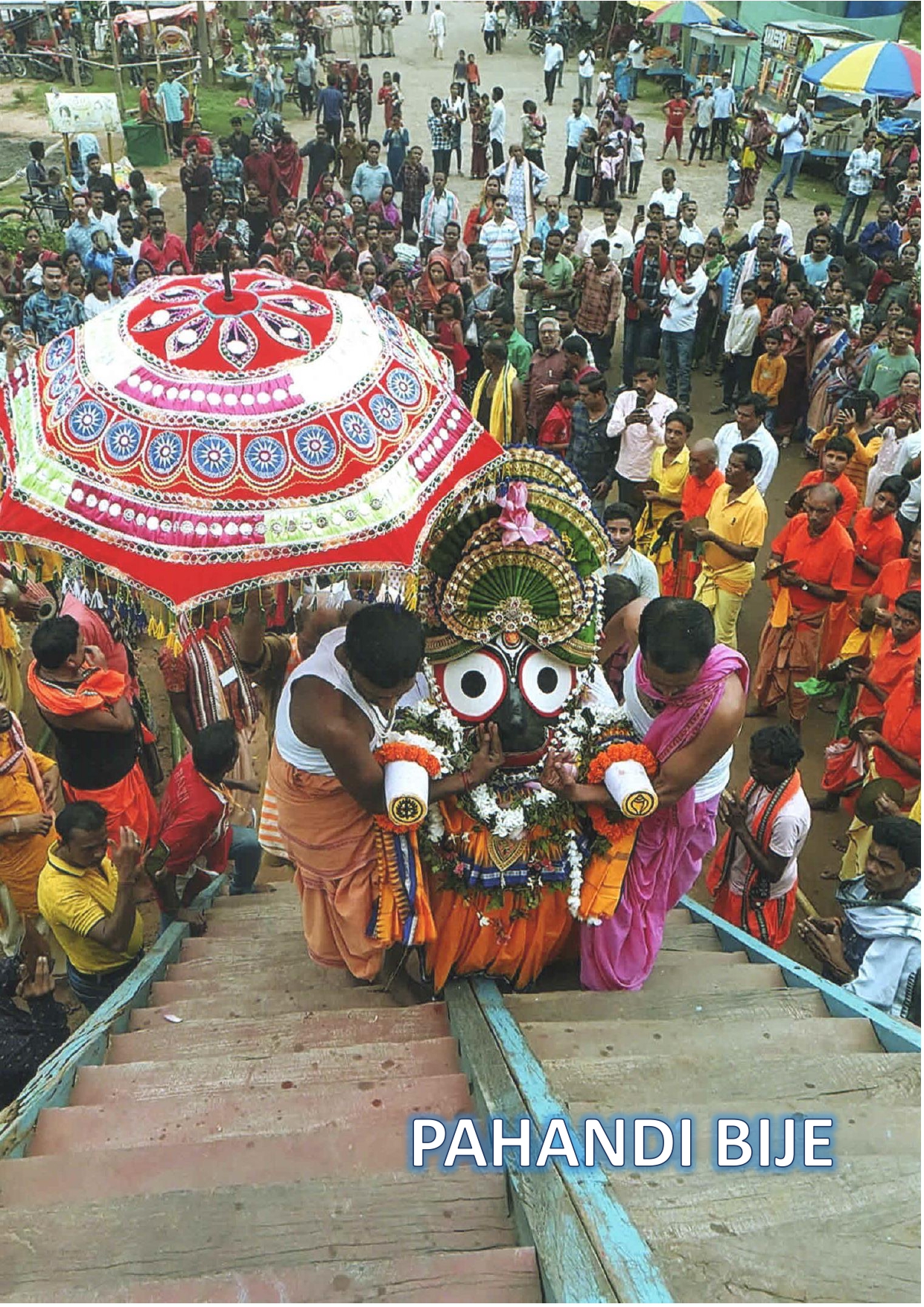
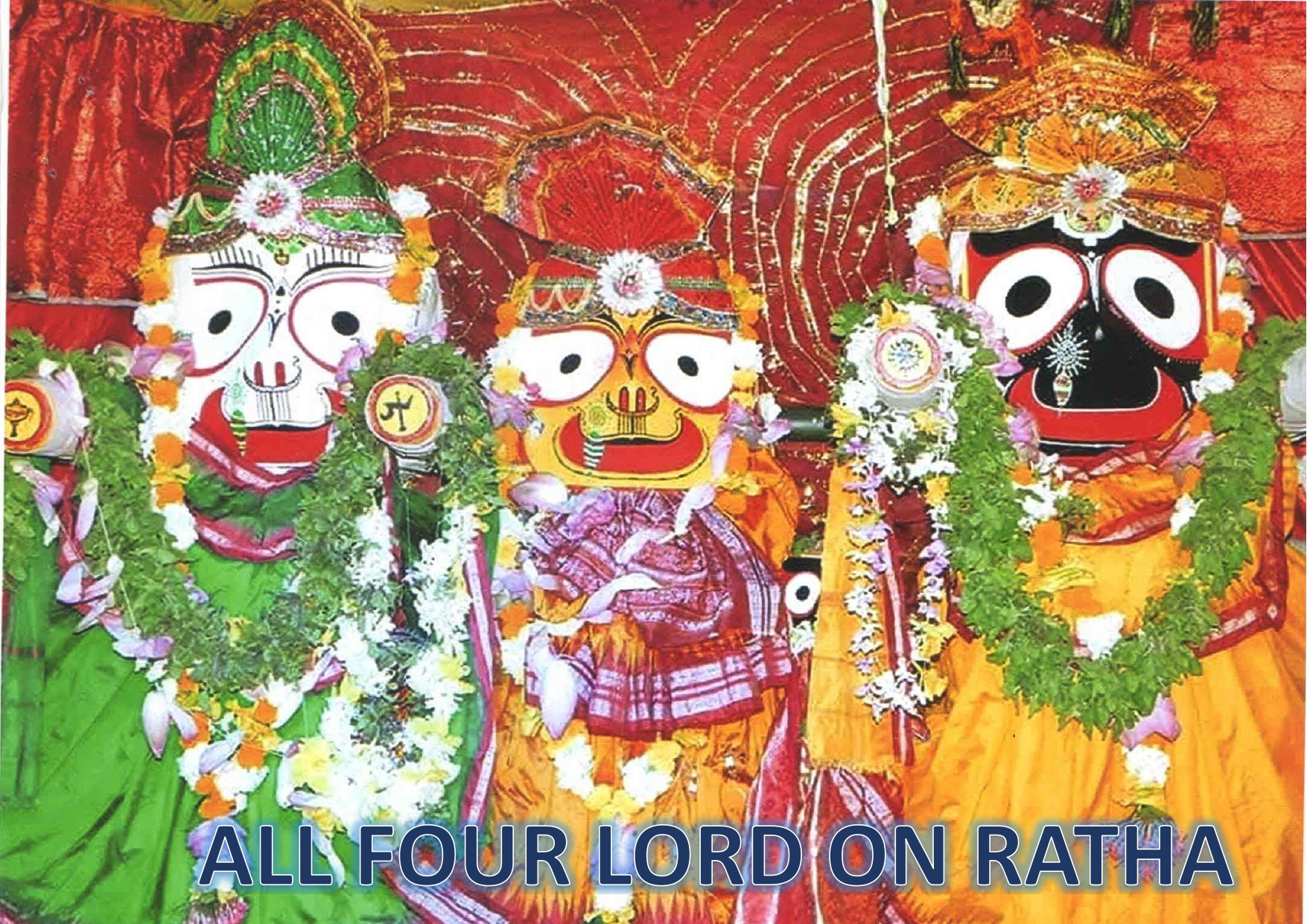
The temple has maintained traditional worship practices, following the same rituals as those in Puri. It is known for its unique Rath Yatra, where the chariot is pulled by three bamboo pieces, unlike other places. The chariot stands 45 feet tall with 16 wheels, carrying the three deities. Unlike other Jagannath temples, the Lord’s return from the Yatra is on Guru Purnima, after 14 days of journey, instead of the usual 9 days.
The temple’s renovation (Nabakalebara) is also performed according to the same rules followed in Puri. The temple has remained a center of devotion, with generations of kings and locals serving the Lord.
* Archaeological Evidence:
Naga-Nagi Sculptural Survey: Historical Evidence from Shri Patita Paban Shri Khetra Jagannath Temple, Jharsuguda.
During a cultural and sculptural survey of early Western Odisha (9th–12th century A.D.), a significant archaeological finding was made at the Jagannath Temple in Kukurjangha, located 8 km from Jharsuguda town.
A rectangular stone slab (30" x 18") was discovered within the temple premises, showcasing a Naga-Nagi couple carved in classical early medieval style — upper body human, lower body serpentine. Between the couple stands a smaller figure in the same hybrid form, likely their child. Notably, crescent moon and sun motifs are engraved above, often associated with Sati-stones or royal memorials.
Why This Matters
This stone slab, stylistically and iconographically consistent with the 9th–12th century Somavamsi period, serves as concrete archaeological evidence that:
- Jagannath worship in Kukurjangha dates back to at least the early medieval period.
- The temple likely had royal patronage, possibly linked to a Naga dynasty.
- Kukurjangha was a significant religious site during that time.
This discovery adds a new historical dimension to the legacy of the Shri Patita Paban Jagannath Temple in Kukurjangha, confirming its ancient roots and cultural importance in the spiritual landscape of Odisha.
* Government Records and References:
The Jagannath Temple in Kukurjanga, located about 5 km from Jharsuguda, was constructed in 1570 by Madhusudan Singh, the Gauntia of Kukurjanga, during the reign of Chhatra Sai Dev, the 7th King of Sambalpur State (1559-1592). Madhusudan Singh, the elder brother of Prananath Singh, the Rampur Zamindar, built this temple using bricks, similar to other temples in the Sambalpur region. The temple stands 45 feet tall, with a rectangular base measuring 25 feet by 20 feet. It was later rebuilt in 1813, as recorded in an inscription found on the inner wall of the temple.
An Aruna Stambha (32 feet high) and Garuda Stambha (6 feet high) were also constructed in front of the temple. The temple enshrines the deities Lord Jagannath, Balabhadra, and Subhadra.
Historical Proof:
The existence and historical significance of the temple are supported by government records, including the History of Sambalpur by S.P. Das, cited in the Sambalpur District Gazetteer of 1971.
Conclusion:
The Shri Patita Paban Shri Khetra Jagannath Temple of Jharsuguda is not merely a religious shrine but a living testimony to Odisha’s rich spiritual, cultural, and architectural legacy. With its origins rooted in legend and validated by archaeological and historical records, the temple stands as an enduring center of faith and devotion, continuing its sacred traditions for over 800 years.
 ,
,
 ,
,
 ,
,
 ,
,
 ,
,
 ,
,
 ,
,